Professional Acupuncture Services
Dr. Calvin Ling DC DABCA
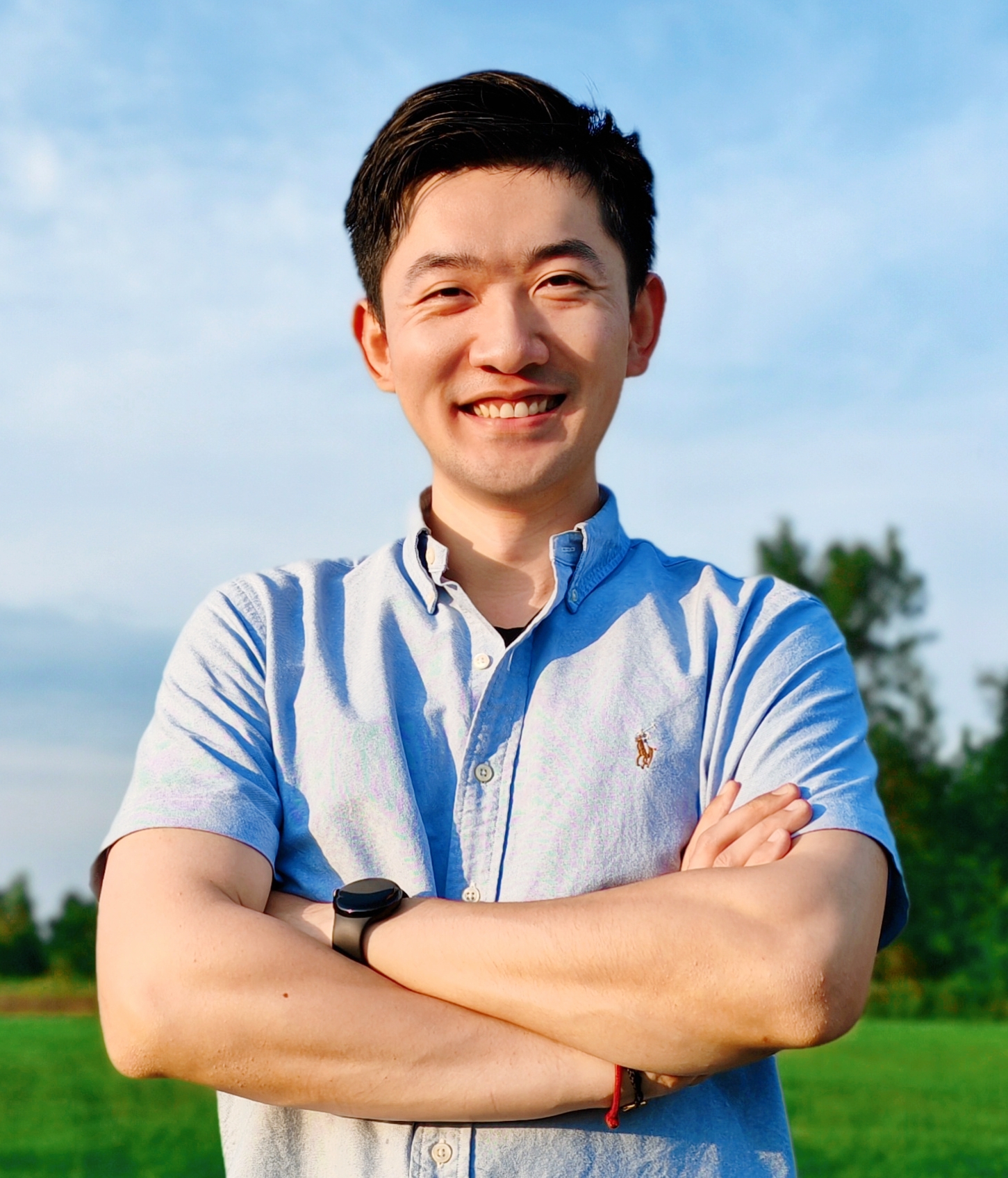
Introducing Dr. Ling
I am Dr. Calvin Ling, a chiropractor board-certified in chiropractic acupuncture. My acupuncture approach focuses on understanding the whole person, including your symptoms, daily habits, and overall well-being.
We begin with a thorough history and physical exam, then tailor acupuncture needling to your needs, incorporate chiropractic care when appropriate.
Our goal is to relief discomfort and helping you feel more balanced in your body.
Acupuncture is a time-tested technique that stimulates specific points on the body to help ease pain, release tension, and promote relaxation. Each treatment is tailored to your needs, supporting your comfort and overall well-being.
Common conditions treated with acupuncture: - Neck and back pain - Headaches and migraines - Arthritis and joint pain - Stress - Anxiety - Insomnia - Digestive issues (IBS, bloating, nausea) - Fatigue
FAQs
Title or Question
Describe the item or answer the question so that site visitors who are interested get more information. You can emphasize this text with bullets, italics or bold, and add links.
Title or Question
Describe the item or answer the question so that site visitors who are interested get more information. You can emphasize this text with bullets, italics or bold, and add links.
Title or Question
Describe the item or answer the question so that site visitors who are interested get more information. You can emphasize this text with bullets, italics or bold, and add links.
What is acupuncture?
Acupuncture is a traditional form of Chinese medicine that has been practiced for thousands of
years. Fine, sterile needles are inserted at specific points on the body to influence the
movement and function of Qi and Blood, support the body's natural healing processes, and
restore balance
Does acupuncture hurt?
Acupuncture needles are extremely thin—much smaller than needles used for injections. Most
patients experience little to no discomfort during insertion. Once the needle is in place, you may
feel sensations such as heaviness, warmth, tingling, dullness, or a mild traveling sensation. In
traditional acupuncture, these sensations may indicate De Qi, or the body's response to the
needle
What does acupuncture treat?
Acupuncture may be used as part of a comprehensive approach for a variety of concerns,
including:
● Muscle and joint pain
● Neck and back pain
● Headaches
● Sports injuries
● Muscle tension
● Stress-related symptoms
● Sleep concerns
● Digestive complaints
● General health and wellness
Treatment is individualized based on the patient's specific presentation rather than simply
treating a diagnosis or symptom in isolation.
How is traditional acupuncture different from dry needling?
Both traditional acupuncture and dry needling use thin, solid needles, but their underlying
approaches are different.
Traditional acupuncture is based on the principles of Chinese medicine and considers the
relationships between the body's channels, Qi, Blood, organ systems, and overall patterns of
imbalance. Needle technique and the patient's response to the needle are important
components of treatment.
Dry needling is generally a more modern, musculoskeletal approach focused on muscles,
trigger points, and painful tissues. Many modern dry needling techniques are rooted in
traditional needling practices but are applied through a different theoretical framework.
What is Tangible Acupuncture?
Tangible Acupuncture emphasizes developing a clear and observable response between the
practitioner, the needle, and the patient. Rather than simply placing needles and waiting, the
practitioner uses traditional needling techniques to carefully engage and influence the body's
response.
How many treatments will I need?
This depends on your condition, how long it has been present, your overall health, and how your
body responds to treatment. Some patients notice changes quickly, while chronic or complex
conditions may require a series of treatments.
What should I wear?
Wear comfortable, loose-fitting clothing whenever possible. Depending on the areas being
treated, access to the arms, legs, back, or other regions may be needed. You may be asked to
adjust or move clothing to allow access to treatment areas, while appropriate draping and
patient comfort will always be maintained
What should I expect after treatment?
Many patients feel relaxed, calm, or pleasantly tired following acupuncture. Others may notice
changes in pain, mobility, sleep, or other symptoms. Mild soreness or temporary changes in
symptoms can occasionally occur.
What should I do before and after acupuncture?
Try to eat something light before your appointment and stay hydrated. After treatment, allow
your body time to rest and respond. Avoid strenuous activity immediately afterward if possible.
Is acupuncture safe?
When performed by a properly trained practitioner using sterile, single-use needles and
appropriate techniques, acupuncture is generally considered very safe. Be sure to inform your
practitioner about medications, medical conditions, pregnancy, or any concerns before
treatment
Acupuncture Information
TCM Acupuncture
With a history spanning thousands of years, acupuncture remains one of the
foundational therapeutic practices within Traditional Chinese Medicine (TCM). My
approach draws upon classical TCM principles, including the Five Elements and Taoist
healing arts, to develop an individualized understanding of each patient’s overall pattern
of health and imbalance.
Each treatment begins with a conversation over the patient’s condition, current
symptoms, treatment goals, and personal preferences. The doctor will create a
customized treatment plan that could vary from visit to visit. Depending on the
individual’s needs, a session may involve only a few carefully selected needles or a
more comprehensive treatment utilizing multiple acupuncture points.
Taoist Approach
The Taoist approach to acupuncture is rooted in the philosophy of living in harmony with
the Tao - the natural order and flow of the universe. Central to this philosophy is the
balance of Yin and Yang, the free movement of Qi, and the connection between the
individual and the natural world.
A key Taoist principle is Wu Wei, often translated as “effortless action” or “non-forcing.”
In acupuncture, this philosophy calls for working with the body’s natural tendencies
rather than forcing changes aggressively. Needle selection, stimulation, and treatment
strategy are approached with the goal of encouraging the body’s innate ability to
regulate and restore balance.
Dry Needling
Dry needling is a modern, anatomy-based needling approach that focuses primarily on
the musculoskeletal and nervous systems. It integrates principles of anatomy,
physiology, neurology, biomechanics, and functional movement to address muscular
dysfunction, trigger points, and movement-related pain.
Many modern dry needling techniques share similarities with, and may have roots in,
traditional needling practices. My approach combines modern musculoskeletal
knowledge with traditional needling techniques, allowing treatment to be tailored to each
patient’s condition and comfort level rather than relying solely on aggressive or forceful
stimulation.
A Complement to Chiropractic Care
Acupuncture and chiropractic care can work together as complementary approaches to
improving musculoskeletal health and overall function. Chiropractic treatment focuses
on joint mechanics, movement, and nervous system function, while acupuncture may
help address muscle tension, pain modulation, and the body’s physiological response to
stress.
When integrated into a comprehensive treatment plan, the combination of chiropractic
care and acupuncture may help patients improve mobility, manage persistent
discomfort, and support longer-lasting improvements in function. Treatment
recommendations are individualized based on each patient’s condition, goals, and
response to care.
Optimal Health from a TCM Perspective
Traditional Chinese Medicine considers human health to have a profound connection to
the rhythms of the natural world. Just as the seasons move through cycles of growth,
transformation, harvest, and restoration, the body is believed to experience its own
changing patterns of activity and recovery.
The Yellow Emperor’s Inner Classic emphasizes the importance of living in sync with
seasonal changes: spring represents renewal and growth, summer expansion and
activity, autumn harvesting and gathering, and winter rest and conservation. Ideally, our
daily habits would naturally adapt to these themes. Modern life, however, often makes
this challenging. When the body calls for rest, responsibilities continue. When demands
increase, we frequently push beyond our capacity rather than gradually adapting. Over
time, chronic physical and emotional stress may reach the breaking point that could
take the body out of the balanced state.
From a TCM perspective, acupuncture is used to support the body’s natural regulatory
processes and encourage balance within its interconnected systems. By stimulating a
selected collection of areas on the meridians that runs through the body, treatment aims
to promote the smooth movement of Qi and support the body’s capacity to adapt to
physical, emotional, and environmental stressors. In a fast-paced world that rarely
allows us to slow down, acupuncture can be a valuable tool for creating that safe haven,
restoring balance, improving resilience, and supporting overall well-being.
Office: 7239 Samill Rd
STE 110
Dublin OH 43016
Call 614 - 848-1111
Email:[email protected]
Site: www.yourcompany.com